Our Research Projects

At Enduring Hearts, we envision a world where every child that needs a new heart receives one that lasts a lifetime. Enduring Hearts is the only national nonprofit dedicated to funding critical research to increase longevity and improve the quality of life for children with a transplanted heart. 

Why we fund

For a child who undergoes a life-saving heart transplant, it’s not the end of the journey; it’s just the beginning. While a successful heart transplant offers hope in life, it’s important to know that it’s not a permanent solution. In fact, approximately 500 children receive a heart transplant every year, with the average lifespan of that transplanted heart lasting less than 20 years. While scientific advances have enhanced the graft survival rates during the initial year, long-term survival has only marginally improved.

What drives our research

Since our inception in 2013, Enduring Hearts has dedicated over $10 million to innovative research initiatives. Our mission revolves around several critical areas, including the development of cutting-edge technologies, the establishment of, the establishment of new post-transplant care guidelines, enhancing patient compliance with vital medications, and most importantly, development of less invasive procedures to combat organ rejection.
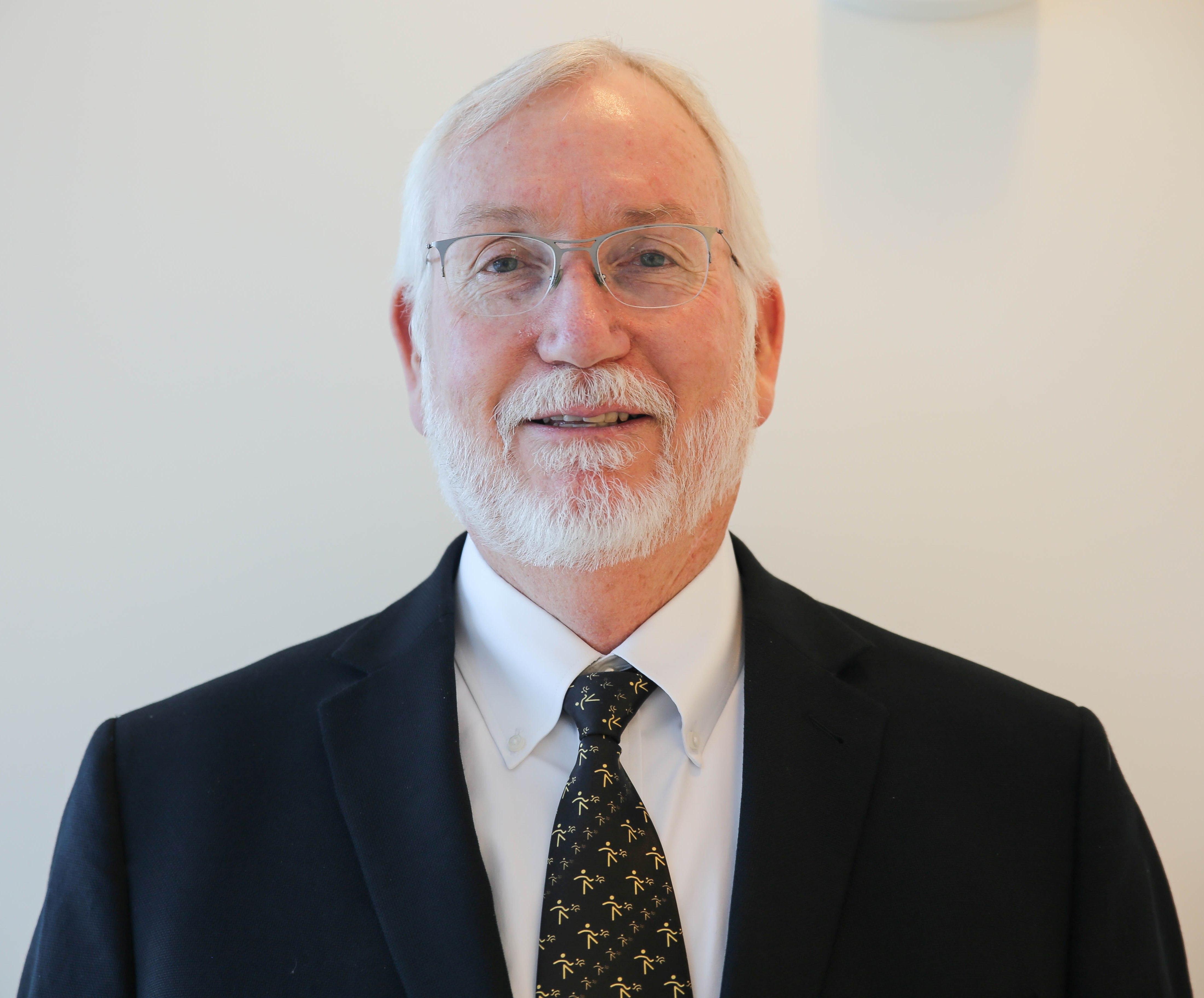
Richard E. Chinnock, MD, MHCM, CPE, FAAP, FACHE

2026 Dedication Award Honoree

On behalf of Enduring Hearts, it is a profound honor to announce Richard E. Chinnock, MD, MHCM, CPE, FAAP, FACHE, as the Enduring Hearts 2026 Medical Honoree. Dr. Chinnock is internationally recognized as a pioneering leader in pediatric heart transplantation, with a distinguished career spanning more than four decades dedicated to saving and improving the lives of children with advanced heart disease. As a founding force behind one of the world’s most influential pediatric heart transplant programs at Loma Linda University Children’s Hospital, he helped transform heart transplantation in infants and young children from a high-risk last resort into a reliable, life-saving therapy. A respected physician, educator, researcher, and healthcare leader, Dr. Chinnock has authored more than 120 scientific publications, served on the Enduring Hearts Scientific Advisory Committee for nearly six years, and guided generations of physicians through his roles as Medical Director, Pediatric Residency Program Director, Department Chair, and Chief Medical Officer. He will be formally presented with this award during Enduring Hearts’ 11th Anniversary Bourbon Gala, to be held on March 7, 2026, at The Foundry at Puritan Mill, where more than 350 guests will gather to celebrate his extraordinary legacy of compassion, leadership, and lifelong service to children and families.

Give a Gift to Honor Dr. Chinnock's Medical Legacy
"Dr. Chinnock’s accomplishments and awards are many, and there is not time to list them all here. While many recognize his clinical expertise and leadership, I believe his greatest contribution has been the example he set for how we care for transplant patients and their families. I first met Richard in 1990 at the Loma Linda Conference on Pediatric Heart Transplantation, when the field was still young and full of ethical uncertainty. Loma Linda was leading the way, following Dr. Leonard Bailey’s first successful infant heart transplant in 1985 on Baby Moses, who recently celebrated 40 years with his transplanted heart. Richard had been recruited as medical director of the heart transplant program. At the time, I was fresh out of training and newly tasked with leading a transplant program myself. I had many questions about decision-making and quality of life for these children. Richard stood out immediately for his unwavering focus on the whole patient—the child, the family, and the community. I left that meeting committed to a career in transplant medicine and determined to always keep humanity at the center of my practice. I could not have found a better role model. Richard has said, “I come to work every day wanting to be a tangible representation of God’s love for the world.” He once described his father as “the lit candle that created the light that lit the whole community.” That image describes Richard perfectly. The pediatric heart transplant community and the Enduring Hearts Scientific Advisory Committee are richer for the light he has given us.He never lets us lose sight of the “why” behind the science: our patients and their families." - Dr. Janet Scheel

Our Research Priorities

Rejection/CAV

Improve longevity and the quality of a child's post heart transplant life by reducing/eliminating rejection and cardiac allograft vaculopathy (CAV)

Mitigating Early Risks

Identify and develop
pre-transplant strategies, innovations or new technologies for children waiting for, and immediately following, a heart transplant that would improve
post-transplant longevity

Beyond Childhood

Validate and implement evidence-based strategies to improve medication adherence and longevity of recipients during their adolescence and their transition to adult care

For a complete statement of our priorities please visit here.

Current Research

Donor and Recipient Risk Matching Could Improve Outcomes fo All Children Listed for Heart Transplantation

Researcher(s):
Madeleine Townsend
Institution:
Cleveland Clinic
Year Funded:
2025
Funded By:
EH/ PHTS
Focus Area(s):
Rejection / CAV
Mitigating Early Risks
Beyond Childhood

T-cell-derived Extracellular Vesicles as Biomarkers and Mechanistic Drivers of Transplant Rejection

Researcher(s):
Mike Davis
Institution:
Emory University
Year Funded:
2025
Funded By:
EH Direct Grant/ Mason Trust
Focus Area(s):
Rejection / CAV
Mitigating Early Risks
Beyond Childhood

Contemporary Approach to Desensitization: Targeted Therapies for HLA Sensitized Pediatric Heart Transplant Candidates

Researcher(s):
Lakshmi Gokanapudy-Hahn
Institution:
Washington University in St. Louis
Year Funded:
2024
Funded By:
EH/ AHA for TRA Collaboration
Focus Area(s):
Rejection / CAV
Mitigating Early Risks
Beyond Childhood

Phenotyping Net Immune State with MicroRNAs in Pediatric Heart Transplantation

Researcher(s):
Palak Shah
Institution:
Inova Health Care Services
Year Funded:
2024
Funded By:
EH/ AHA for TRA Collaboration
Focus Area(s):
Rejection / CAV
Mitigating Early Risks
Beyond Childhood

Increasing Transplant Opportunities for Single Ventricle Patients: Creating the Universal Donor

Researcher(s):
Jennifer Conway
Institution:
University of Alberta (Canada)
Year Funded:
2024
Funded By:
EH / Additional Ventures
Focus Area(s):
Rejection / CAV
Mitigating Early Risks
Beyond Childhood

Non-Invasive Diagnosis of Cardiac Allograft Vasculopathy in Children and Young Adults: A Cardiac Magnetic Resonance, Cell Free DNA and Allomap Study

Researcher(s):
Lazaro Hernandez
Institution:
Joe DiMaggio Children's Hospital
Year Funded:
2024
Funded By:
EH Direct Grant
Focus Area(s):
Rejection / CAV
Mitigating Early Risks
Beyond Childhood

MicroRNA Biomarkers of Allograft Rejection in Pediatric Heart Transplantation

Researcher(s):
Jason Goldberg
Institution:
INOVA LJ Murphy Children's Hospital
Year Funded:
2023
Funded By:
EH Direct Grant
Focus Area(s):
Rejection / CAV
Mitigating Early Risks
Beyond Childhood

Non-Invasive Early Detection of Coronary Allograft Vasculopathy Using Cardiac Computed Tomography and Fractional Flow Reserve in Children and Young Adults

Researcher(s):
Tarique Hussain
Institution:
UT Southwestern Medical Center
Year Funded:
2023
Funded By:
EH Direct Grant
Focus Area(s):
Rejection / CAV
Mitigating Early Risks
Beyond Childhood

Molecular insights into early cardiac allograft vasculopathy using single-nuclear multiomics

Researcher(s):
Kraushik Amancherla
Institution:
Vanderbilt Univeristy
Year Funded:
2023
Funded By:
EH & ISHLT
Focus Area(s):
Rejection / CAV
Mitigating Early Risks
Beyond Childhood

Short-term donor heart interventions and long-term outcomes

Researcher(s):
Darren Freed & Jennifer Conway
Institution:
University of Alberta
Year Funded:
2022
Funded By:
EH Direct Grant & Additional Ventures
Focus Area(s):
Rejection / CAV
Mitigating Early Risks
Beyond Childhood

Myocardial Stiffness and Coronary Microperfusion Assessment for Diagnosis of Cardiac Allograft Vasculopathy in Children After Cardiac Transplantation: Application of Ultrafast Ultrasound Imaging

Researcher(s):
Oliver Villemain
Institution:
The Hospital for Sick Children
Year Funded:
2022
Funded By:
EH Direct Grant
Focus Area(s):
Rejection / CAV
Mitigating Early Risks
Beyond Childhood

The Role of Non-HLA Antibodies in the Development of Antibody Mediated Rejection and Coronary Allograft Vasculopathy in Pediatric Heart Transplantation

Researcher(s):
Joseph Spinner
Institution:
Baylor College of Medicine
Year Funded:
2022
Funded By:
EH Direct Grant
Focus Area(s):
Rejection / CAV
Mitigating Early Risks
Beyond Childhood

Circulating Unconventional T Cells in Pediatric Heart Transplant Recipients: From Pathogenesis to Biomarker

Researcher(s):
Stephanie Nakano
Institution:
University of Colorado
Year Funded:
2022
Funded By:
EH & American Heart Association * Collaborative Science Award
Focus Area(s):
Rejection / CAV
Mitigating Early Risks
Beyond Childhood

Reducing Transplant Graft Dysfunction Through Targeted Immunosuppression

Researcher(s):
Karim Sallam & Seth Hollander
Institution:
Stanford University School of Medicine
Year Funded:
2022
Funded By:
EH & American Heart Association * Collaborative Science Award
Focus Area(s):
Rejection / CAV
Mitigating Early Risks
Beyond Childhood

Integrating Multi-parametric Echocardiography with Computer Assisted Analyses in Detection for Early Allograft Rejection in Pediatric Heart Transplant

Researcher(s):
Shahn Amdani
Institution:
Cleveland Clinic
Year Funded:
2021
Funded By:
EH Direct Grant
Focus Area(s):
Rejection / CAV
Mitigating Early Risks
Beyond Childhood

Novel Approaches to Improve the Availability and/or the Quality of Pediatric Donor Hearts

Researcher(s):
James Reynolds
Institution:
Case Western Reserve University
Year Funded:
2020
Funded By:
EH Direct Grant & Additional Ventures
Focus Area(s):
Rejection / CAV
Mitigating Early Risks
Beyond Childhood

Human Cell-Derived Endomyocardial Tissue with Functional Cardiomyocytes and Microvasculature: An In Vitro Model for Elucidating Mechanism(s) for IschemiaReperfusion Injury as a Risk Factor for Cardiac Allograft Vasculopathy

Researcher(s):
Sndeep Kewani & Ravi Birla
Institution:
Baylor College of Medicine
Year Funded:
2020
Funded By:
EH Direct Grant
Focus Area(s):
Rejection / CAV
Mitigating Early Risks
Beyond Childhood

CD122 Targeted Theranostic for Detection and Prevention of Heart Transplant Rejection

Researcher(s):
David Mathews
Institution:
Children's Hospital of Atlanta
Year Funded:
2019
Funded By:
EH Direct Grant
Focus Area(s):
Rejection / CAV
Mitigating Early Risks
Beyond Childhood

Related Content